Project ProperGive

Mastering Debt Management: Regain Control of Your Finances

Debt can feel overwhelming, but it’s not permanent. With structure, discipline, and the right strategy, you can regain control and build lasting financial stability.

Assess your debt

1. Assess Your Total Debt Honestly

List every debt you owe—credit cards, loans, lines of credit, and personal borrowings. Include balances, minimum payments, and interest rates. This full picture removes confusion and replaces fear with facts. Understanding the total gives you clarity, direction, and the foundation for your debt elimination plan.

Prioritize high interest

2. Prioritize High-Interest Balances

High-interest debt drains wealth faster than any bad habit. Focus first on debts above 15% interest—typically credit cards or payday loans. Paying them down aggressively saves you hundreds in interest and accelerates your path to freedom. Every dollar you save from interest is a dollar you can invest in your future.

Debt snowball

3. Use the Snowball or Avalanche Method

The snowball method focuses on paying the smallest balances first for quick wins. The avalanche method targets the highest interest rates for maximum efficiency. Choose whichever motivates you most—both work if you stay consistent. The key is momentum and commitment over perfection.

Budget plan

4. Build a Budget That Prioritizes Debt

Set a realistic budget that allocates a specific portion of income toward debt repayment. Cut non-essential expenses temporarily to free up more funds. A written plan keeps emotion out of your decisions and ensures progress each month. Budgeting is the difference between wishful thinking and measurable results.

Emergency fund

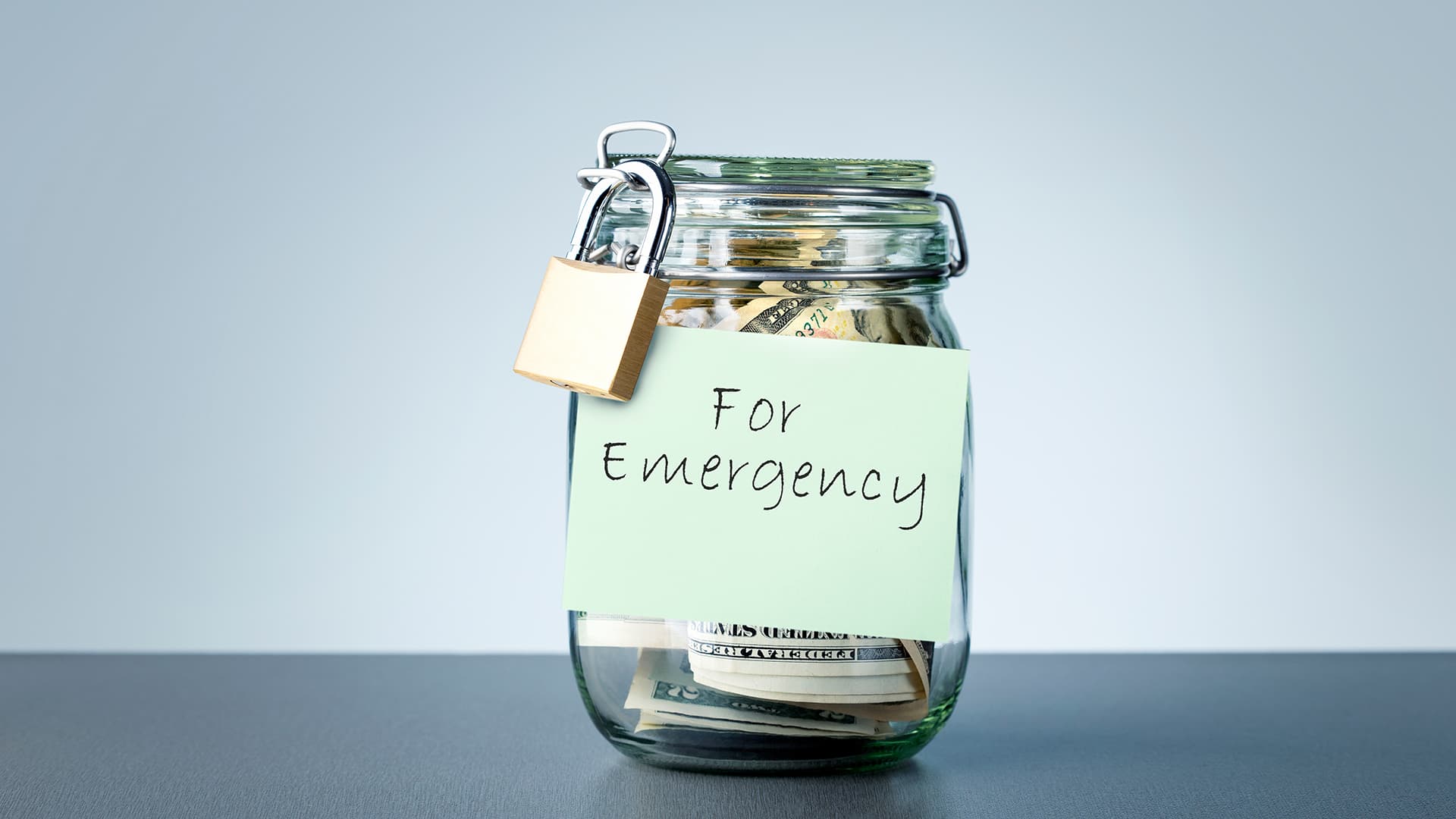
5. Build a Small Emergency Fund

Before paying extra toward debt, create a small safety net of $500–$1,000. This prevents you from falling back into debt when unexpected costs arise. Once that cushion exists, direct all extra money toward debt elimination. Stability and progress must move together.

Increase income

6. Increase Income for Faster Results

Side work, freelancing, or selling unused items can generate extra income that accelerates debt repayment. Every additional payment reduces total interest owed. Commit any windfall—bonuses, tax refunds, or overtime—to debt reduction instead of short-term spending.

Negotiate rates

7. Negotiate with Creditors

Creditors prefer repayment over default. Ask for reduced interest rates, payment plans, or hardship programs. A polite, proactive call can save significant money over time. Always document agreements in writing and avoid third-party “debt relief” firms that charge unnecessary fees.

Avoid new debt

8. Stop Creating New Debt

Paying down balances means little if new debt replaces them. Use debit instead of credit and avoid financing non-essentials. Pause all borrowing until your budget and savings stabilize. Breaking the cycle requires new habits, not just payments.

Mindset shift

9. Change Your Relationship with Money

Debt management isn’t just numbers—it’s mindset. Reflect on what led to overspending: stress, habits, or lack of awareness. Replace impulse with intention. When you view money as a tool rather than a temptation, control becomes natural. Financial discipline follows self-awareness.

Debt free living

10. Stay Debt-Free and Build Forward

Once debt-free, keep the momentum. Redirect former payments into investments or savings. Freedom isn’t a finish line—it’s a foundation. Build wealth by using the same structure that once eliminated debt. Staying debt-free means staying intentional with every dollar.

Debt Freedom Is Emotional Freedom

Paying off debt restores confidence and peace. It’s not about numbers—it’s about control, stability, and the relief of knowing your future belongs to you again.

Progress Over Perfection

You don’t need to be perfect—just persistent. Every payment, no matter how small, moves you closer to financial independence. Stay patient, stay focused, and freedom will come.

Take Control of Your Financial Future

Join ProperGive to learn step-by-step systems for eliminating debt and building a stronger financial foundation.

Learn More