Project ProperGive

Financial Literacy 101: The Foundation of Every Smart Decision

Financial literacy is the skill that transforms effort into stability. It’s how you turn income into progress and avoid costly mistakes. Here’s what every person should know about money.

Money basics

1. Understand How Money Really Works

Money isn’t just for spending—it’s a tool for freedom. Financial literacy means knowing how income, expenses, and investments interact. Every decision you make with money either builds security or erodes it. Understanding the system lets you control your financial future instead of being controlled by it.

Budgeting

2. Budgeting Is the Starting Point

A budget isn’t about limits—it’s about awareness. It helps you see where your money goes, cut waste, and align spending with priorities. Without budgeting, it’s impossible to make informed decisions. It’s the financial equivalent of a map—you can’t reach your destination without one.

Saving money

3. Save Before You Spend

Saving money must come first, not last. Paying yourself first ensures you’re building a cushion against emergencies and preparing for opportunities. Even small, consistent savings accumulate power through discipline and time. Saving is self-respect in action.

Debt management

4. Learn to Manage and Avoid Debt

Debt can build or destroy. Used wisely, it funds education or assets that appreciate. Used poorly, it traps you in financial stress. Understand interest rates and repayment terms before borrowing. Paying debt on time protects your credit score and preserves your future freedom.

Investing basics

5. Know the Basics of Investing

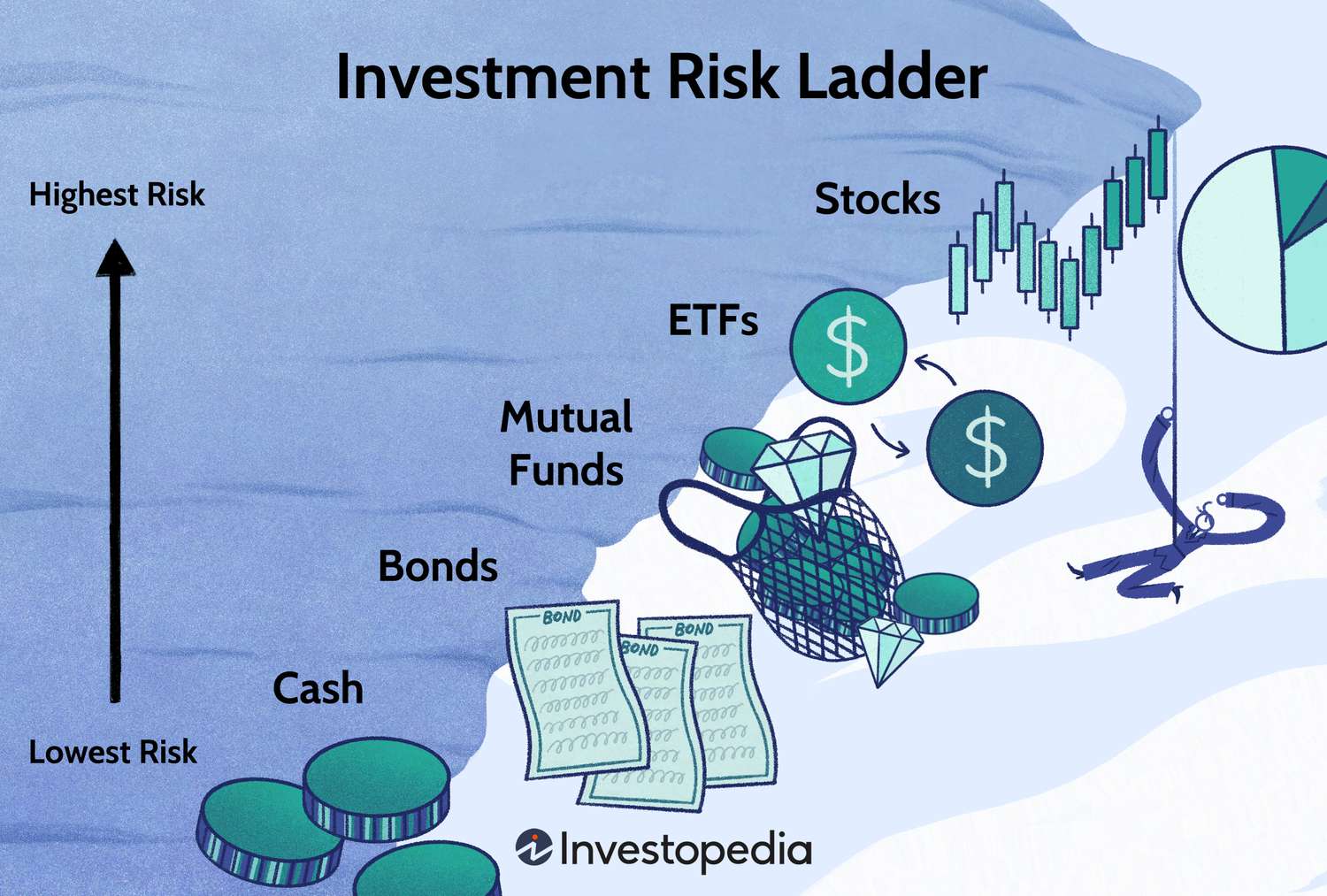
Investing grows your wealth faster than saving alone. Learn how stocks, bonds, and funds work. Start small, stay consistent, and let compounding do the heavy lifting. The earlier you begin, the greater your advantage. Knowledge reduces fear—education is the best investment you’ll ever make.

Credit awareness

6. Build and Maintain Good Credit

Credit influences everything from loans to job offers. Pay bills on time, use credit responsibly, and monitor your reports regularly. A strong credit history lowers costs and opens opportunities. Your credit score is a reflection of reliability—protect it like an asset.

Inflation awareness

7. Understand the Impact of Inflation

Inflation quietly reduces your purchasing power. Leaving money idle means losing value over time. Combat inflation by investing in assets that grow faster than prices rise. Awareness turns inflation from an invisible threat into a manageable challenge.

Emergency fund

8. Build an Emergency Fund

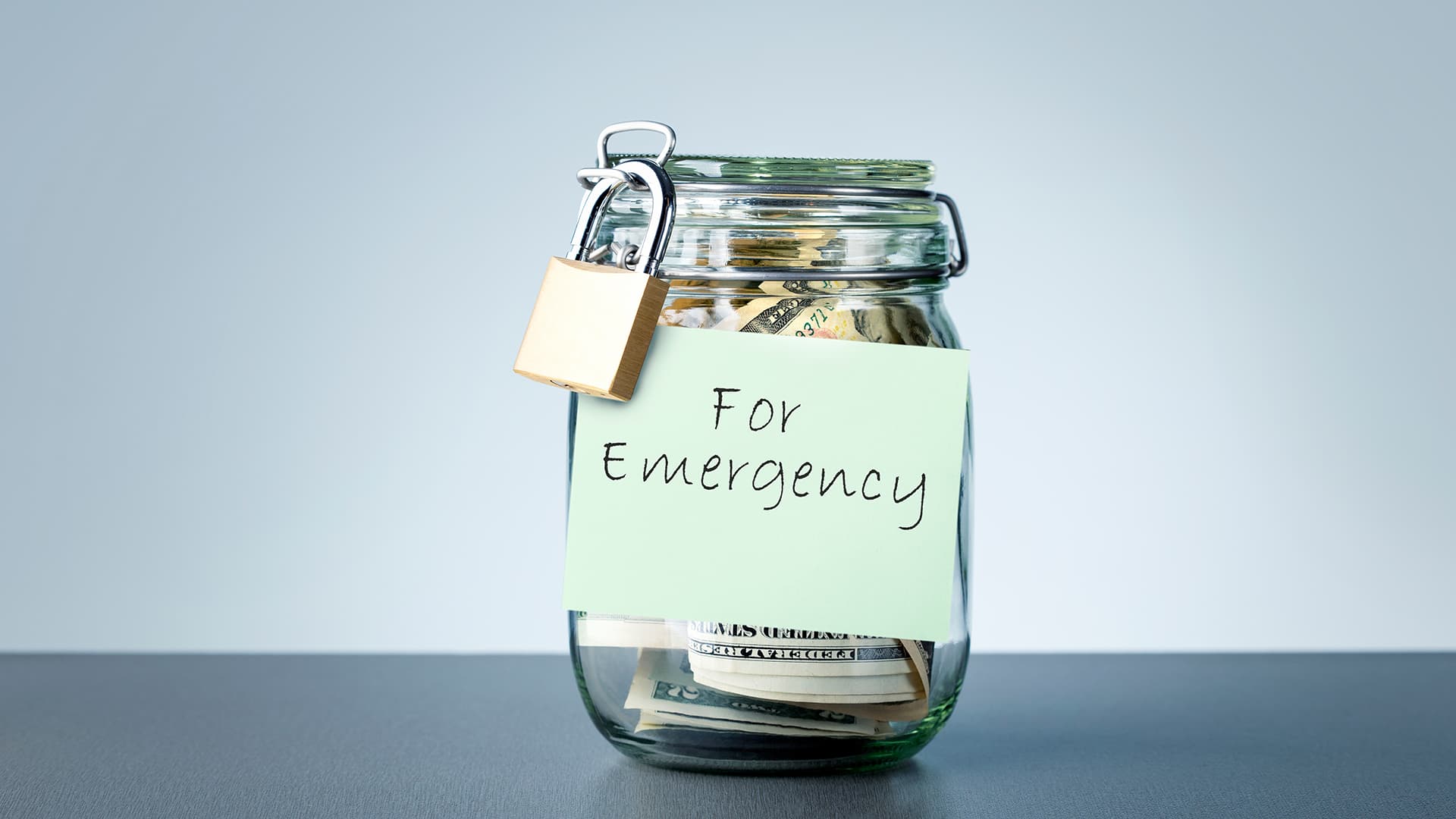
Financial stability depends on preparation. An emergency fund protects you from debt and panic during unexpected events. Start small, then expand to cover several months of expenses. Peace of mind is worth every dollar saved.

Mindset

9. Develop a Long-Term Money Mindset

Short-term gratification ruins long-term potential. Think in decades, not days. Every smart choice—saving, investing, learning—compounds. The goal isn’t fast money; it’s steady growth that builds stability and freedom for life.

Financial education

10. Keep Learning About Money

Financial literacy is not a one-time lesson—it’s a lifelong skill. The economy evolves, markets change, and new opportunities arise. Read, research, and ask questions. The more you learn, the more confident and independent you become with your finances.

Knowledge Is the Real Currency

Financial literacy gives you power over your future. It turns confusion into clarity and transforms your money into a tool for freedom. The first investment you should make is in your own education.

Empowerment Through Understanding

Once you understand how money works, you stop reacting and start directing. Every informed choice you make is a step toward financial confidence and independence.

Learn and Grow With ProperGive

Join ProperGive to expand your financial knowledge and build the foundation for lifelong wealth and freedom.

Learn More