Project ProperGive

Financial Mistakes to Avoid in Your 20s: Lessons That Build a Strong Future

Your 20s are a time of growth, but also of financial traps that can delay your success. Avoid these common mistakes early, and you’ll build a foundation for lifelong stability.

No budget

1. Not Having a Budget

Many young adults avoid budgeting because it feels restrictive, but the opposite is true. A budget gives you control, not limits. Without one, money disappears without direction. Track expenses, plan spending, and use apps or spreadsheets to stay accountable. Financial awareness always comes before financial freedom.


Credit card debt

2. Misusing Credit Cards

Credit cards are powerful tools—but only if managed properly. Paying minimum balances builds debt quickly due to high interest. Always pay in full each month and avoid impulse purchases. Used wisely, credit builds a strong score; used carelessly, it builds regret.

Ignoring savings

3. Ignoring Savings Early

It’s easy to think you’ll save later when you earn more—but later rarely comes. The earlier you start, the more compound interest multiplies your money. Even $20 a week can grow into thousands over time. Saving early is the simplest way to buy freedom later.

No emergency fund

4. Skipping an Emergency Fund

Unexpected costs happen—car repairs, medical bills, or job loss. Without a safety net, small problems become financial disasters. Build at least $1,000 as a starter fund, then aim for 3–6 months of expenses. Your emergency fund is your first layer of financial protection.

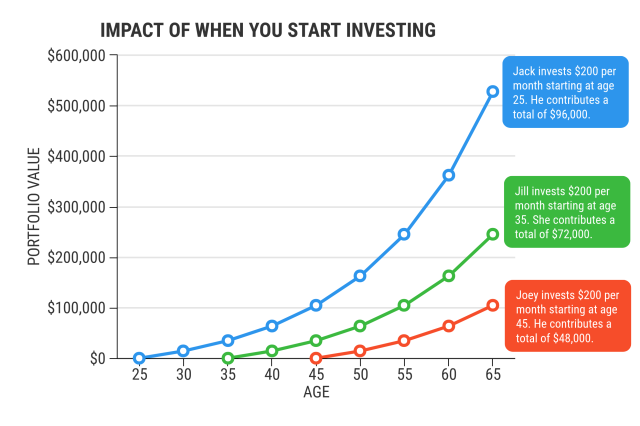
Investing early

5. Waiting Too Long to Invest

Time is the single greatest advantage in investing. Waiting until your 30s or 40s costs you decades of growth. Start small with index funds or retirement accounts. The earlier you begin, the less you need to contribute later to reach your goals.

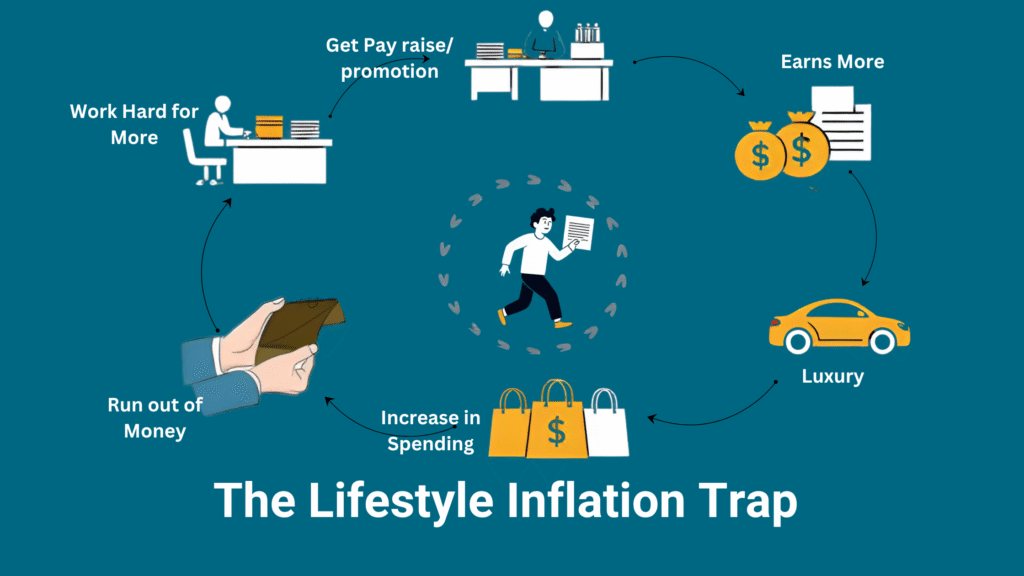
Lifestyle inflation

6. Letting Lifestyle Inflation Take Over

As income rises, so do expenses for many people. Resist upgrading your lifestyle with every raise. Instead, save or invest the difference. Financial independence happens when income grows faster than lifestyle costs. Comfort now often delays freedom later.

Student loans

7. Ignoring Student Loan Repayments

Student loans may feel manageable, but interest compounds quietly. Create a plan early—refinance if possible, and avoid deferring payments unless necessary. Treat debt as a temporary obstacle, not a permanent burden. Every extra payment is one step closer to freedom.

No goals

8. Not Setting Financial Goals

Without goals, money management becomes aimless. Define short-term and long-term targets—like saving for travel, buying a home, or investing for retirement. Goals give purpose to every decision and make saving more meaningful. Clarity turns motivation into results.

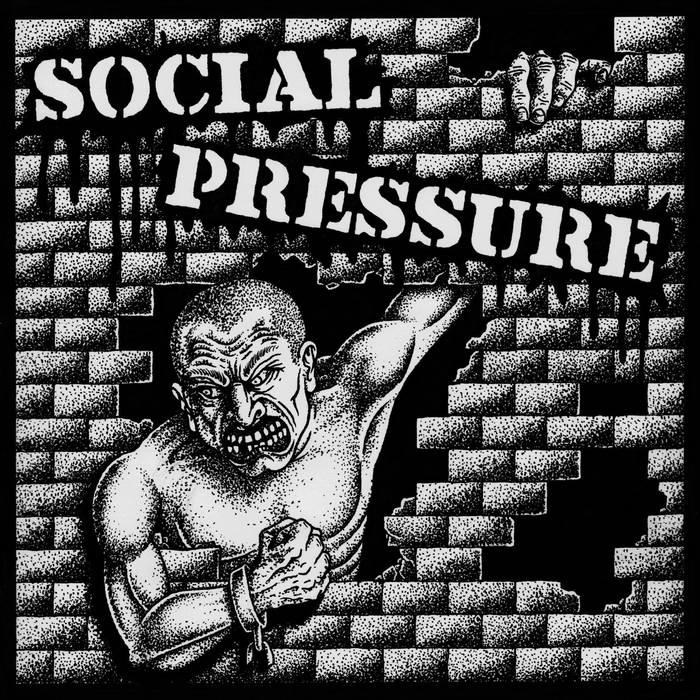
Social pressure

9. Spending to Impress Others

Peer pressure often drives unnecessary spending. Comparing yourself to others leads to debt and dissatisfaction. Focus on your own path—real success is quiet and steady. The people who appear rich often owe the most. Build wealth privately; live proudly within your means.

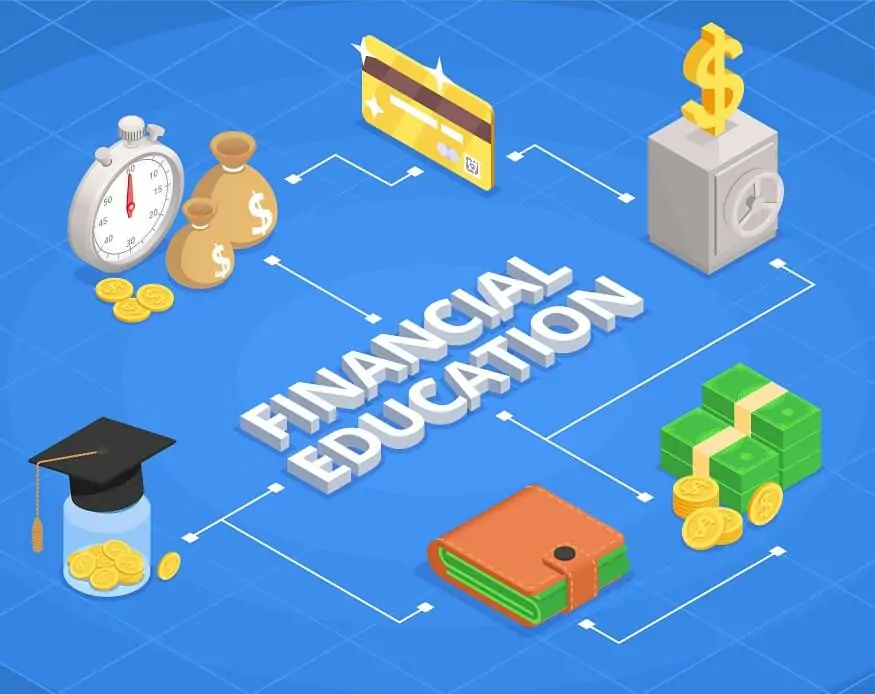
Financial education

10. Ignoring Financial Education

School teaches many things—but rarely personal finance. Take responsibility for your learning. Read, listen to podcasts, and follow reliable financial educators. Knowledge compounds just like money; the more you learn, the better your future decisions become.

Your 20s Are for Building, Not Impressing

Use this decade to create strong habits—save, invest, and stay disciplined. Avoiding simple mistakes early gives you an advantage most people never realize they lost.

Small Steps, Big Impact

Every good financial habit multiplies over time. Start small, stay consistent, and watch your 30s and 40s become decades of freedom instead of repayment.

Build Smart Habits Now

Join ProperGive for practical lessons and tools to make your 20s the strongest foundation for lifelong success.

Learn More