Project ProperGive

How to Get Out of Debt and Stay Free

Debt doesn’t just drain your wallet—it steals peace of mind. Escaping it requires a structured plan, consistent habits, and a shift in mindset. Here’s how to break free and ensure you never go back.

Assessing debt

1. Face Your Debt Honestly

The first step to freedom is clarity. List every debt you owe—credit cards, loans, medical bills, and personal borrowing. Include balances, interest rates, and minimum payments. Seeing the total can be uncomfortable, but denial only delays progress. This list is your foundation for an effective repayment plan. Knowledge eliminates confusion and replaces fear with strategy. Once you know what you’re fighting, you can build a plan that fits your reality instead of avoiding it.

Reviewing spending

2. Stop the Bleeding: Control New Spending

You can’t dig out of debt while adding to it. Pause all non-essential spending and switch to cash or debit for daily use. Identify triggers that cause impulse purchases—stress, boredom, or social pressure—and address them directly. Consider unfollowing brands or unsubscribing from marketing emails. The less exposure to temptation, the easier it becomes to focus on repayment. Financial recovery starts with discipline, not deprivation—every dollar redirected to debt reduction speeds your exit from the cycle.

Debt repayment methods

3. Choose a Repayment Strategy That Works

Two main strategies dominate debt elimination: the snowball method and the avalanche method. The snowball focuses on paying off the smallest balances first to gain quick wins and motivation. The avalanche prioritizes high-interest debt to minimize total cost. The best plan is the one you’ll stick with consistently. Automate payments whenever possible and track milestones. Seeing balances drop provides momentum that reinforces discipline and keeps you engaged for the long term.

Budget planning

4. Build a Realistic Budget

Your budget is your roadmap to financial recovery. Allocate income intentionally—cover essentials first, then channel surplus toward debt repayment. Avoid overly strict budgets that collapse after a few weeks. Instead, build flexibility for unexpected costs. Track your progress weekly and make small adjustments instead of abandoning the plan entirely. A sustainable budget is about control, not punishment. The more structure you apply, the faster debt shrinks and savings grow.

Increase income

5. Increase Income Strategically

Cutting expenses only goes so far. To accelerate debt freedom, increase income through side work, freelancing, selling unused items, or negotiating raises. Every additional dollar can be directed toward principal payments, saving months or even years of interest. Avoid lifestyle inflation—keep living costs flat while applying new income exclusively to debt. The faster you eliminate balances, the sooner you unlock financial breathing room and flexibility for bigger goals.

Emergency fund

6. Build a Small Emergency Fund

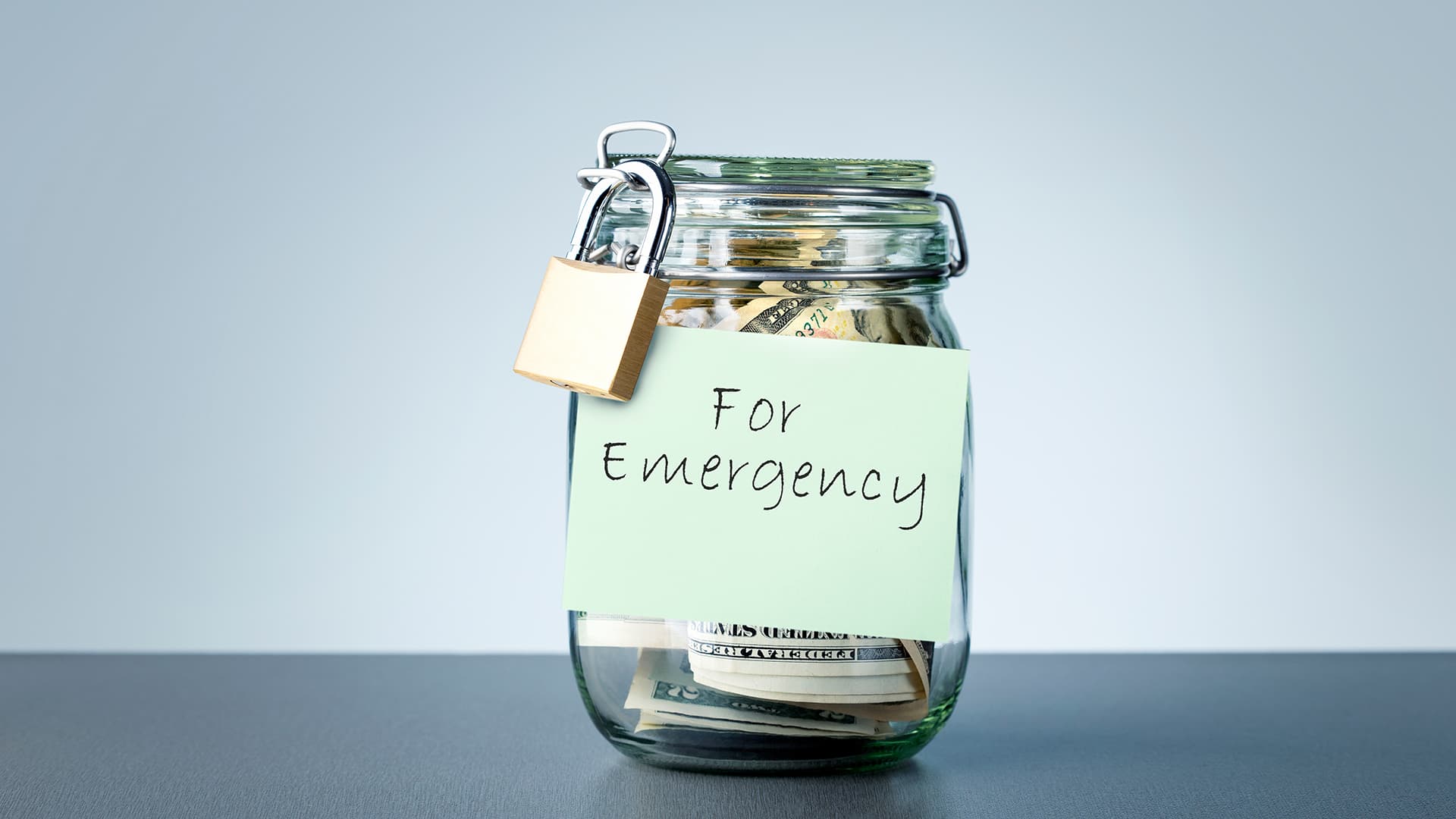
Many fall back into debt because of unplanned expenses. Create a small emergency fund—$500 to $1,000—as protection against surprises. This buffer prevents future credit card use when life happens. Build it first, then focus aggressively on debt repayment. Once debt-free, expand this fund to three to six months of expenses. Financial security doesn’t start when debt ends—it starts when you can handle problems without borrowing again.

Negotiating with creditors

7. Negotiate and Consolidate Wisely

If your interest rates are suffocating progress, contact lenders. Many will lower rates for consistent payers or allow balance transfers to 0% introductory cards. Consider debt consolidation loans if they reduce total costs and simplify payments—but only if you commit to closing old accounts. Avoid predatory settlement firms that promise instant fixes. Real progress comes from transparent agreements and steady repayment, not shortcuts that damage credit further.

Changing financial mindset

8. Change Your Money Mindset

Debt often grows from emotional decisions, not just math. Replace guilt with growth. Understand what led to overspending—was it pressure, habit, or lack of awareness? Develop a mindset of ownership rather than avoidance. When you start viewing money as a tool, not a problem, decision-making becomes rational. Personal finance isn’t about perfection; it’s about progress. Emotional control over money is what guarantees long-term financial peace.

Staying debt free

9. Protect Your Progress

Once debt-free, stay vigilant. Avoid new credit card balances, resist financing luxuries, and build savings habits that keep you independent. Review your credit report regularly to monitor your standing. Use credit only when it adds measurable value, such as building credit history or earning cashback responsibly. The goal is to control credit—not let credit control you. Freedom is maintained by daily awareness, not one-time effort.

Long term financial focus

10. Focus on Long-Term Growth

Debt freedom is not the end—it’s the beginning of wealth creation. Redirect your former payments into savings and investments. Build retirement funds, invest in skill growth, and pursue opportunities that increase net worth. Staying debt-free gives you the flexibility to take risks and create stability for your future. Financial peace isn’t luck; it’s the reward for deliberate, consistent effort. Once you’ve earned freedom, protect it by planning the next stage—prosperity.

The Emotional Relief of Living Debt-Free

Being debt-free doesn’t just change your bank account—it changes your mindset. Stress fades, confidence rises, and decisions become proactive instead of reactive. Money no longer dictates your choices; you dictate how to use it. That clarity is the real reward of discipline.

How to Stay Consistent

Set reminders to review finances monthly. Celebrate milestones but avoid slipping back into old habits. Remember why you started—peace of mind, freedom, and stability. Consistency turns progress into permanence.

Take Control of Your Financial Future

Join ProperGive to learn smarter money habits and practical tools to achieve long-term financial independence.

Learn More